
Ever feel like you’re leaving money on the table during tax season? Think of tax-deductible expenses as hidden treasure chests scattered throughout your financial life; you just need to know where to look and how to unlock them. In this piece, I’ll work you through the world of tax savings and discover how to keep more of your hard-earned money.
Understanding the Basics of Tax-Deductible Expenses
Imagine your income as a pie, and tax-deductible expenses as slices you can remove before the tax collector takes their share. The more qualifying expenses you can identify, the smaller your taxable pie becomes, leading to significant tax savings. Whether you’re a homeowner, entrepreneur, or employee, understanding these deductions is crucial for maximizing your tax benefits.
The Standard vs. Itemized Deduction Decision
Before we explore specific tax-deductible expenses, you’ll need to make a crucial choice. Think of it as choosing between a guaranteed gift card (standard deduction) or opening all your presents to see if they’re worth more (itemizing). For 2025, the standard deduction stands at $15,000 for single filers and $30,000 for married couples filing jointly. If your total tax-deductible expenses exceed these amounts, itemizing could lead to greater tax savings.

Home Sweet Tax Savings
Your home isn’t just your castle; it’s a fortress of tax-deductible expenses. Mortgage interest, property taxes, and even certain home improvements can qualify as deductions. For remote workers, a dedicated home office space opens up additional tax savings opportunities through proportional deductions of utilities, internet, and maintenance costs.
Healthcare Costs
Medical expenses exceeding 7.5% of your adjusted gross income can transform into valuable tax-deductible expenses. This includes everything from doctor visits to prescription medications and even certain medical equipment. Don’t forget about health insurance premiums; they’re often overlooked sources of tax savings.

Educational Investments
Investing in education can brighten both your future and your tax picture. Student loan interest payments qualify as tax-deductible expenses up to $2,500 annually. Additionally, various educational credits and deductions can provide substantial tax savings for those pursuing higher education or professional development.

Charity Donations
Charitable giving isn’t just good for the soul; it’s great for tax savings too. Cash donations to qualified organizations can reduce your taxable income, while non-cash contributions like clothing, furniture, or vehicles can also qualify as tax-deductible expenses. Just remember to maintain proper documentation for your generous acts.
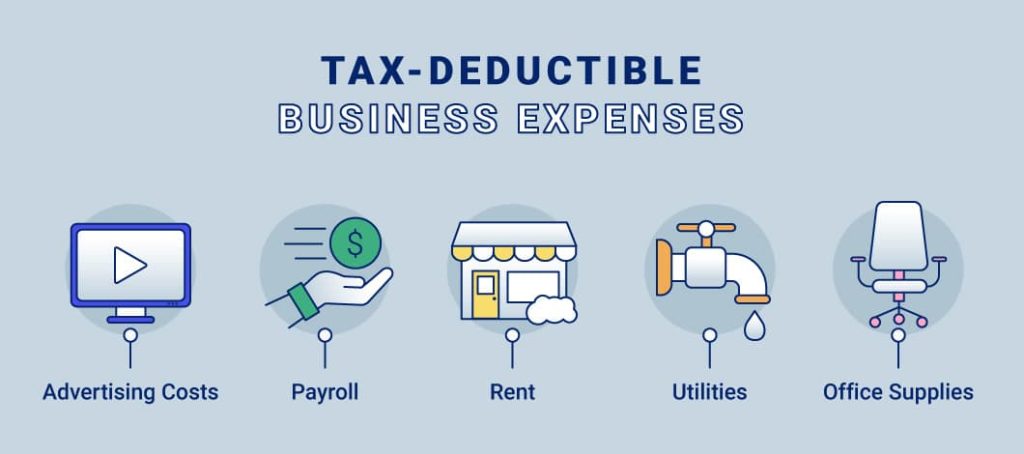
Business Expenses
For entrepreneurs and self-employed individuals, business-related tax-deductible expenses can be particularly valuable. From office supplies to professional development courses, tracking these expenses meticulously can lead to significant tax savings at year-end. Even employees can deduct certain unreimbursed business expenses in some situations.
Planning for Maximum Impact
To maximize your tax savings, treat tax planning as a year-round strategy rather than a last-minute scramble. Keep detailed records of potential tax-deductible expenses, and consider consulting with a tax professional to ensure you’re not missing any opportunities. Other lesser-known deductions include retirement contributions, child and dependent care expenses, teacher expenses, alimony payments, bad debts, capital losses, gambling losses, etc. Think of it as creating a roadmap to guide you toward optimal tax savings.
Advanced Strategies for Enhanced Tax Savings
Consider timing your tax-deductible expenses strategically. Sometimes, clustering deductible expenses into a single tax year can help you exceed the standard deduction threshold, maximizing your tax savings potential. This might mean scheduling medical procedures or making charitable contributions in the same tax year.
Conclusion
Understanding and properly claiming deductible expenses can significantly reduce your tax burden and increase your tax savings. While the process might seem complex, approaching it systematically and staying informed about changing tax laws can help you optimize your financial position. Remember that every dollar of deductible expenses you claim is a dollar less of taxable income. Whether through careful record-keeping, strategic timing, or professional guidance, making the most of your available deductions can transform your tax season from a burden into an opportunity for substantial tax savings.
Another tax season is around the corner; share this with your friends to help someone save more of their hard-earned money from a heavy tax burden. If you want to know more about other expenses that could be deducted, email or ask me in the comments box.
Leave a Reply