The first 10 days of President Trump’s second term have been nothing short of explosive. From sweeping executive orders to bold policy shifts, the world is already feeling the ripple effects of his actions. Whether you love him or loathe him, there’s no denying that President Trump is making waves—and fast. Let’s dive into the highlights of his first 10 days and explore what they mean for the global economy and politics.
A Flurry of Executive Orders
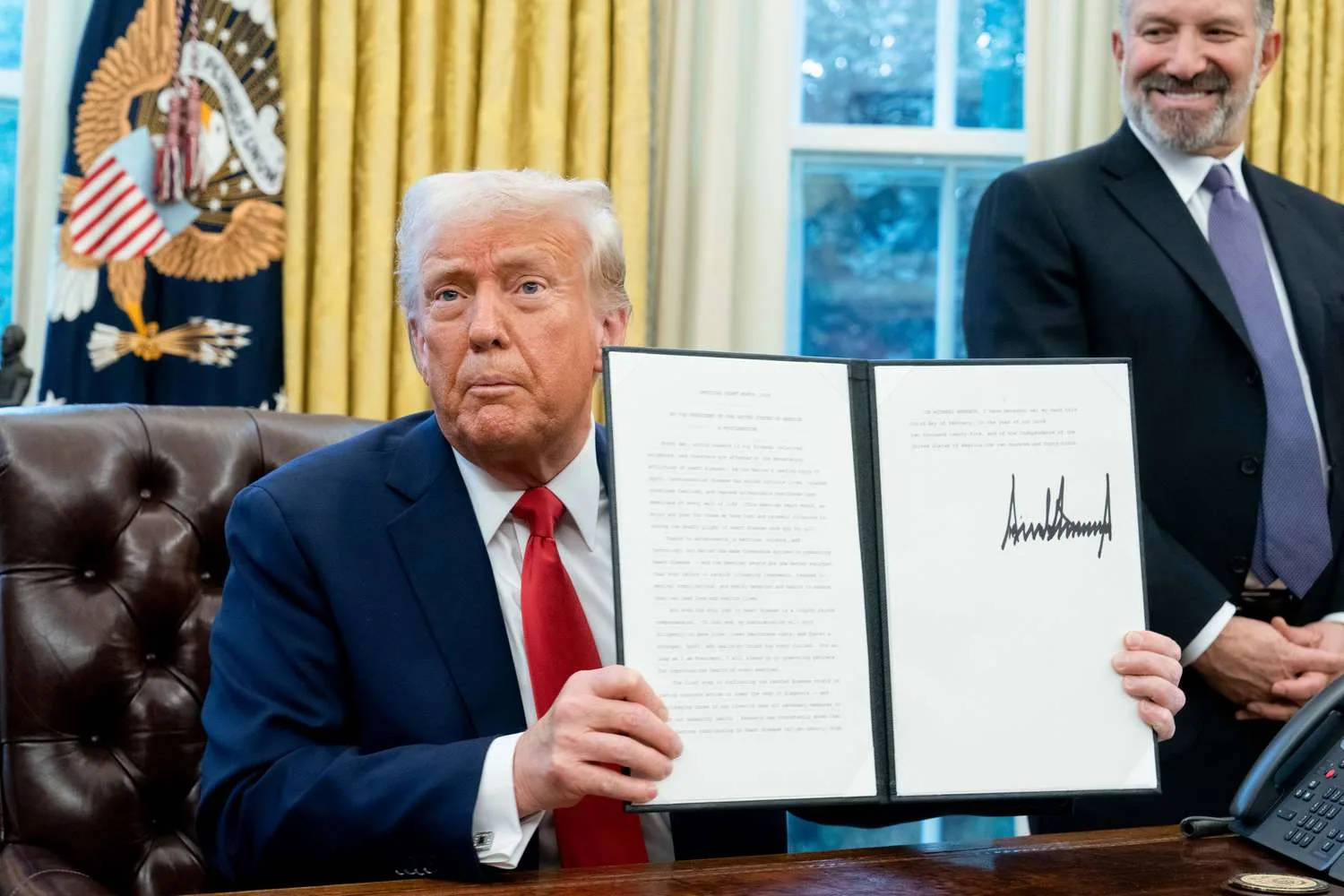
President Trump wasted no time getting to work. Within hours of his inauguration, he signed a barrage of executive orders aimed at reshaping America’s domestic and foreign policies. These orders touched on everything from immigration and trade to climate change and national security. For instance, he declared a national emergency at the southern border, deployed troops to seal it, and suspended refugee resettlement programs.
One of the most controversial moves was his attempt to end birthright citizenship, a policy protected by the 14th Amendment. This sparked immediate legal challenges, with 22 states filing lawsuits to block the order. While the courts may ultimately decide its fate, the message was clear: President Trump is doubling down on his hardline immigration stance.
Tariffs and Trade Wars
Trade policy has always been a cornerstone of President Trump’s agenda, and his first 10 days were no exception. He threatened to impose steep tariffs on key trading partners like China, Canada, and Mexico. For example, he proposed a 25% tariff on Canadian goods, a move that sent shockwaves through Ottawa and raised concerns about a potential trade war.
President Trump also targeted China, suggesting a 60% tariff on Chinese goods and leveraging trade tensions to push for U.S. control over TikTok. His approach to trade is unapologetically protectionist, aiming to shield American industries from foreign competition. However, critics argue that these tariffs could backfire, leading to higher consumer prices and strained international relations.
Climate Policy Rollbacks
In a move that alarmed environmentalists, President Trump withdrew the U.S. from the Paris Climate Agreement—again. This decision puts the U.S. in the company of a handful of nations not committed to global climate goals. He also rolled back Biden era regulations on renewable energy, halted offshore wind projects, and prioritized fossil fuel development, including opening Alaska’s wilderness for oil drilling.
While these actions align with his “America First” energy agenda, they’ve drawn sharp criticism from global leaders. European and Chinese officials have reaffirmed their commitment to the Paris Agreement, signaling a growing divide between the U.S. and its allies on climate policy.
Immigration Crackdowns
Immigration remains a central focus for President Trump. In addition to ending birthright citizenship, he launched a campaign of mass deportations, targeting undocumented immigrants with criminal records. ICE raids have already begun, with hundreds of arrests reported in the first few days.
He also announced plans to expand the migrant detention center at Guantánamo Bay, a move that has sparked outrage among human rights advocates. While these measures appeal to his base, they’ve deepened divisions within the U.S. and drawn condemnation from international observers.
Global Reactions and Geopolitical Shifts
President Trump’s actions haven’t gone unnoticed on the global stage. In Europe, leaders are bracing for a more confrontational U.S. approach to trade and diplomacy. German Chancellor Olaf Scholz emphasized the importance of free trade, while EU officials warned against the dangers of protectionism.
In the Middle East, President Trump’s influence is already being felt. He played a key role in brokering a ceasefire in Gaza, earning praise for his diplomatic efforts. However, his decision to lift sanctions on Israeli settlers in the West Bank has reignited tensions with Palestinian leaders.
Meanwhile, in Asia, China is preparing for a potential trade war. President Trump’s tariffs and TikTok demands have put Beijing on edge, with Chinese officials calling for cooperation but bracing for conflict.
Economic Implications
The economic impact of President Trump’s early actions is a mixed bag. On one hand, his probusiness policies, such as deregulation and tax incentives, have boosted investor confidence. Wall Street saw gains in the days following his inauguration, reflecting optimism about his economic agenda.
On the other hand, his tariffs and trade threats could disrupt global supply chains and drive up costs for consumers. For example, the proposed tariffs on Canadian goods could lead to higher prices for American consumers, while retaliatory measures from trading partners could hurt U.S. exports.
What’s Next?
President Trump’s first 10 days have set the tone for his second term: bold, controversial, and unapologetically disruptive. While his supporters applaud his decisive actions, critics warn of the long-term consequences for the global economy and international relations.
As the world adjusts to the “Trump Effect,” one thing is certain: the next four years will be anything but predictable. Whether you’re a fan or a critic, there’s no denying that President Trump is reshaping the world—one executive order at a time.
Final Thoughts
President Trump’s first 10 days in office have been a whirlwind of policy changes and bold moves. From immigration crackdowns to trade wars and climate rollbacks, his actions are already having a profound impact on the global economy and politics. As the world watches and reacts, one thing is clear: the Trump presidency is back, and it’s as disruptive as ever.
What do you think about President Trump’s early actions? Share your thoughts in the comments below.
Leave a Reply