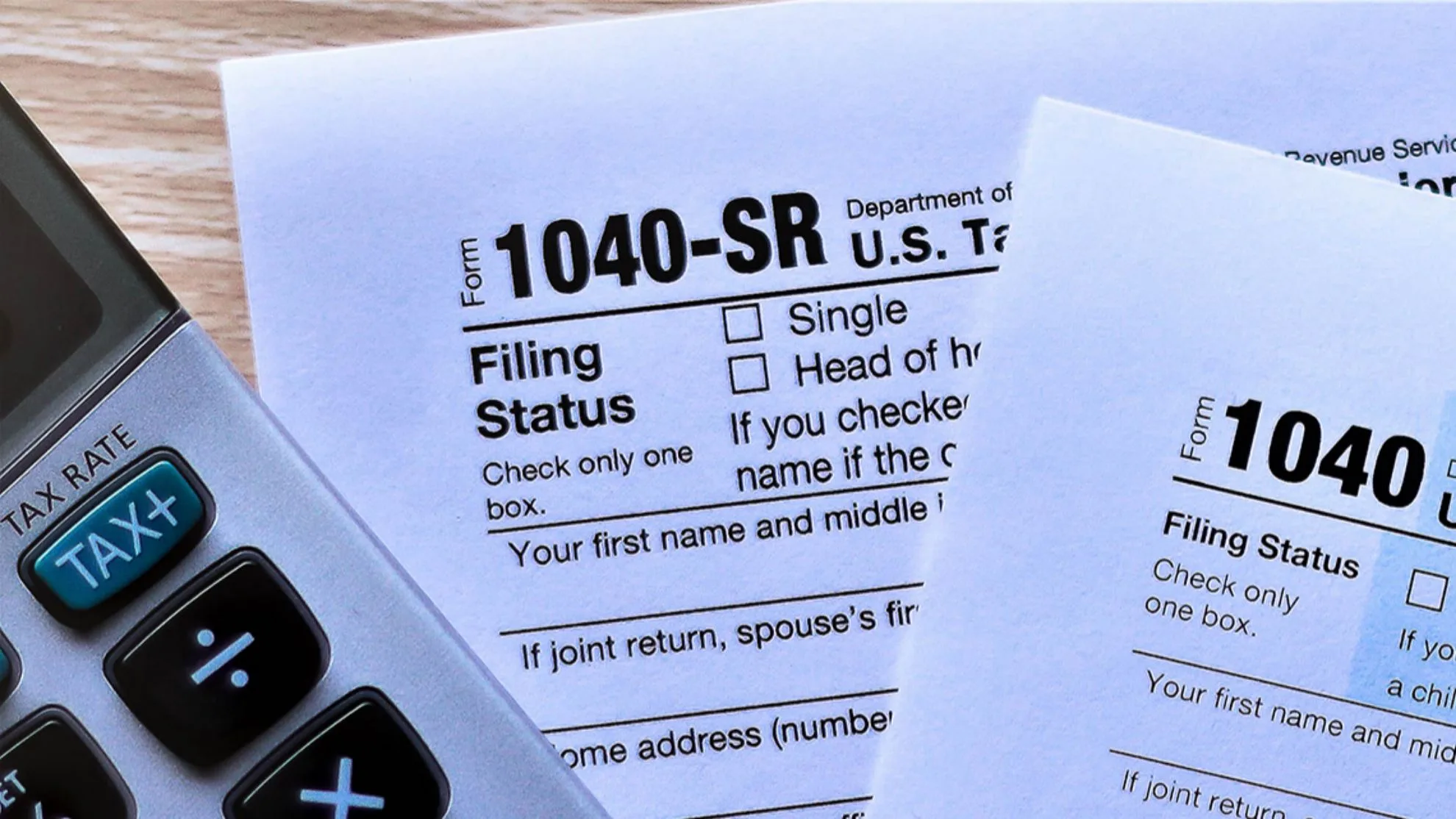
Tax season can feel overwhelming, especially when you’re staring at a pile of IRS forms and wondering which ones apply to you. Don’t worry; you’re not alone. Whether you’re a first-time filer or a seasoned pro, understanding the different IRS forms is key to getting your taxes done right. Let’s break it all down in a way that’s easy to digest.
What Are IRS Forms, anyway?
IRS forms are the official documents the Internal Revenue Service (IRS) uses to collect information about your income, deductions, credits, and more. Think of them as the building blocks of your tax return. The forms you need depend on your financial situation, like whether you’re employed, self-employed, a student, or a retiree.
The Most Common IRS Forms You’ll Encounter
Here’s a quick rundown of the IRS forms you’re most likely to come across:
1. Form 1040: The Big One
This is the standard form for individual tax returns. Most people use Form 1040 to report their income, claim deductions, and calculate their tax bill or refund. It’s like the Swiss Army knife of IRS forms—versatile and essential.
2. Form W-2: For the 9-to-5 Crowd
If you’re an employee, your employer will send you a W-2. It shows how much you earned and how much tax was withheld. You’ll use this info to fill out your 1040.
3. Form 1099: For Freelancers and Side Hustlers
There are several types of 1099 forms, but the most common is the 1099-NEC, which reports freelance or contract income. If you’ve got a side gig, this form is your new best friend.
4. Form 8862: For Claiming Tax Credits
If you’re eligible for the Earned Income Tax Credit (EITC) but were denied in the past, you’ll need this form to claim it again.
5. Form 941: For Business Owners
This one’s for employers. It’s used to report payroll taxes and ensure you’re withholding the right amount from your employees’ paychecks.
Lesser-Known IRS Forms You Might Need
Some IRS forms are more niche but still important depending on your situation:
- Form 8606: For reporting nondeductible contributions to an IRA.
- Form 8949: For reporting capital gains and losses from investments.
- Form 8863: For claiming education credits like the American Opportunity Credit.
- Form 1098: For reporting mortgage interest (for homeowners!).
How to Choose the Right IRS Forms
The key to stress-free tax filing is knowing which forms apply to you. Start by gathering all your income documents (W-2s, 1099s, etc.). Then, think about deductions and credits you might qualify for. If you’re unsure, tax software or a professional can help guide you.
Tips for Handling IRS Forms Like a Pro
- Stay Organized: Keep all your tax documents in one place.
- Double-Check Your Work: Mistakes can delay your refund.
- File Electronically: It’s faster and reduces errors.
- Don’t Procrastinate: The earlier you start, the less stressful it’ll be.
Final Thoughts
IRS forms don’t have to be scary. Once you understand which ones you need and what they’re for, tax season becomes a lot more manageable. So, grab a cup of coffee, gather your documents, and tackle those forms with confidence. You’ve got this!
And remember, if you’re ever in doubt, the IRS website is a treasure trove of resources. Happy filing!
Leave a Reply