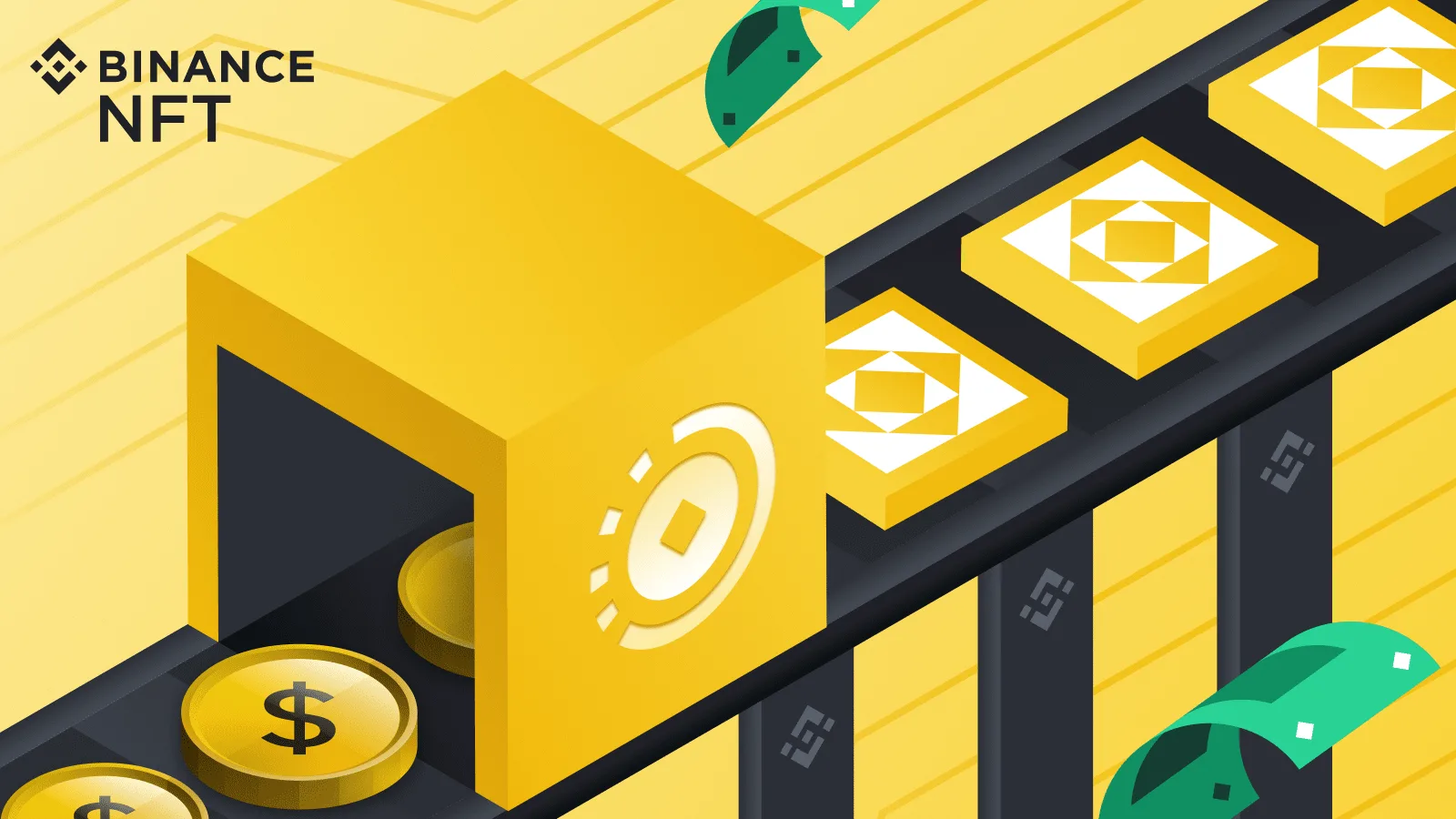
Nigeria’s creative economy is undergoing a blockchain-powered revolution. With over 5 million artists, musicians, and content creators, the country is leveraging NFTs (non-fungible tokens) to transform digital art into global income streams. From Lagos-based illustrators selling animated collectibles to musicians tokenizing album rights, Nigerian creators are redefining ownership and profitability in the digital age. This guide explores how to monetize NFTs, spotlights thriving local marketplaces, and unpacks tax essentials for crypto-based earnings.
NFT Marketplaces Empowering Nigerian Creators
Nigeria’s NFT ecosystem blends global platforms with homegrown solutions, offering diverse avenues for monetization:
1. AfriqArt: Africa’s largest NFT hub, launched in 2023, specializes in Afrocentric digital art. Creators like Niyi Okeowo (3D animator) earned $50,000+ selling “Yoruba Mythology” series NFTs here. The platform supports Naira (NGN) payouts and charges 5% fees, lower than its global rivals.
2. Binance NFT: Integrated with Binance Nigeria’s SEC-licensed exchange, this marketplace lets artists mint NFTs for under $1 and reach 15 million users. Musician Teni auctioned her single “Billionaire” as an NFT here for 12 ETH ($38,000).
3. Rarible & OpenSea: While global, these platforms attract Nigerians through crypto payment options. Painter Osinachi became Africa’s first NFT millionaire via OpenSea sales.
For beginners, pairing NFT sales with passive DeFi income strategies can diversify revenue streams.
Success Stories: Nigerian Creators Leading the NFT Wave
- Chinasa Vivian: This Enugu-based digital artist turned her “Igbo Ancestors” collection into a $200,000 venture. Learn how she reinvested her profits into Nigerian Treasury Bills for financial stability.
- DJ Cuppy: Tokenized VIP access to her 2025 Lagos concert series, earning 80 ETH ($256,000) on AfriqArt.
- Naija Punks: A collective of 10,000 algorithmically generated avatars inspired by Nigerian culture, generating $2 million in secondary sales on Rarible.
These pioneers prove that Nigerian creators can globalize their art while retaining cultural authenticity.

Navigating Tax Implications for NFT Earnings
Under Nigeria’s 2025 SEC guidelines, NFT income is taxable as follows:
Capital Gains Tax (CGT): 10% on profits if NFTs are held as investments (held over 12 months).
Income Tax: 24% if sold within a year (classified as business income).
VAT: 7.5% on marketplace fees, but not on NFT sales themselves.
Key Compliance Steps:
1. Track Every Transaction: Use tools like CoinTracker or Koinly to log sales, gas fees, and conversions.
2. Convert Crypto to Naira Securely: Use licensed exchanges like Binance Nigeria for FIRS-approved records.
3. Report Annually: Submit records to FIRS by March 31 each year.
Avoid scams by verifying platforms via the SEC’s registry and following crypto scam prevention tips.
5 Strategies for Sustainable NFT Success
1. Merge Art with Utility: Offer NFT holders real-world perks (e.g., event access, merch discounts).
2. Leverage Social Proof: Collaborate with influencers like Mr. Eazi or Don Jazzy to boost visibility.
3. Mint on Eco-Friendly Blockchains: Use Solana or Tezos to reduce environmental concerns and attract ethical buyers.
4. Diversify Income: Reinvest NFT profits into crypto investment strategies or traditional assets.
5. Stay Informed: Attend workshops like NFT Lagos 2025 or follow guides on building wealth strategically.
Challenges and Future Trends
While NFTs offer immense potential, Nigerian creators face hurdles like high gas fees, plagiarism, and limited blockchain literacy. Emerging solutions include:
- AI Copyright Tools: Platforms like MintGold use AI to detect NFT theft and protect artists.
- Localized Marketplaces: Startups like Naijaverse are launching P2P NFT platforms with NGN pricing.
- Government Grants: Lagos State’s N500 million Creative Fund now supports blockchain projects.
Conclusion
For Nigerian creators, NFTs represent more than income. They’re a gateway to global recognition and financial autonomy. By mastering marketplaces, complying with tax rules, and blending innovation with tradition, artists can turn pixels into prosperity. As AfriqArt founder Kola Aina says, “The future of African art is tokenized, and Nigeria is leading the charge.”
Start your journey today by exploring Nigeria’s top crypto exchanges and minting your first NFT. The digital canvas awaits.
Leave a Reply