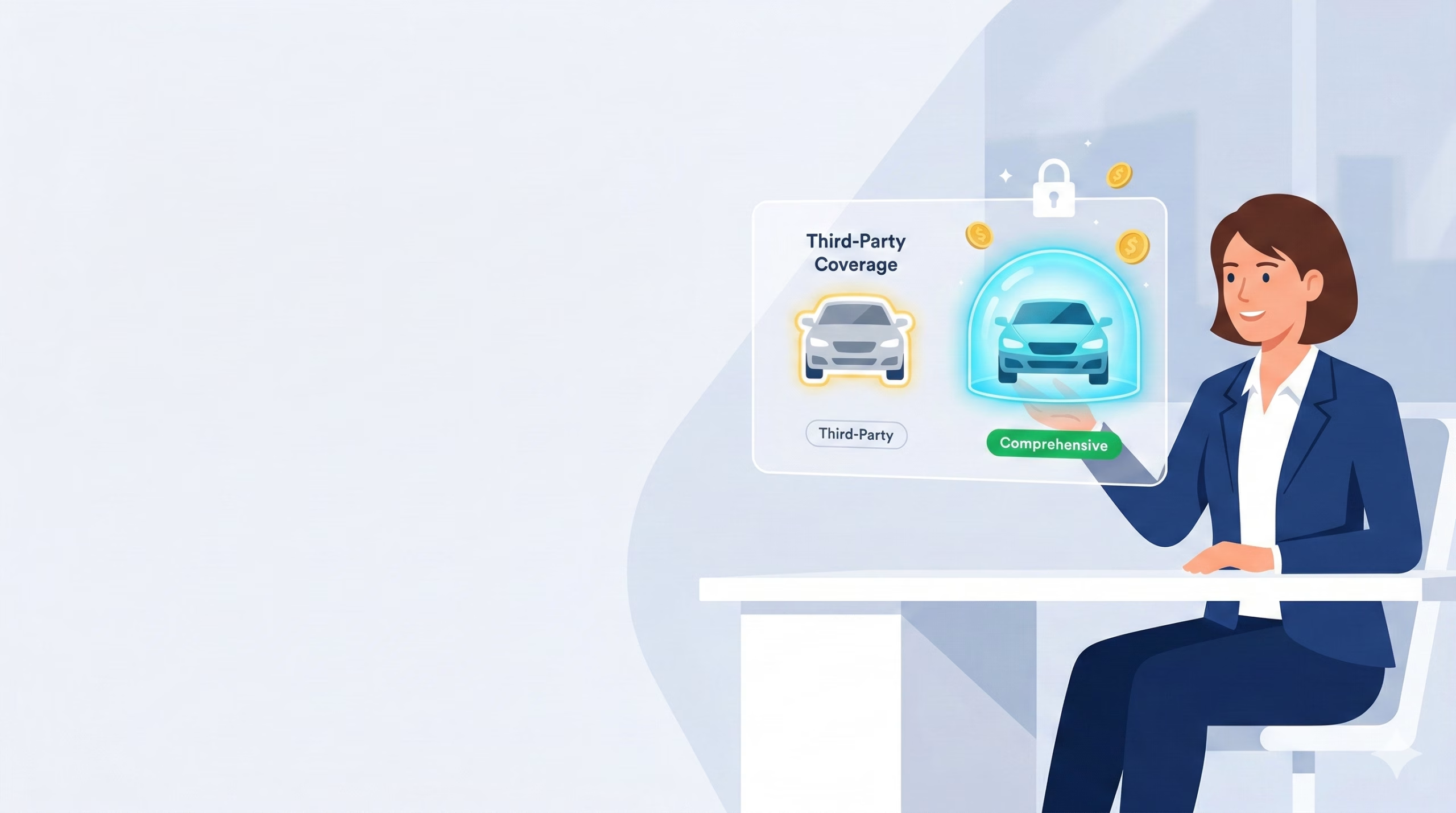
Choosing between third-party and comprehensive car insurance is one of the most common decisions drivers face.
The right option depends on how much financial risk you are willing to carry and how much protection you want for your own vehicle.
What Third-Party Car Insurance Covers
Third-party car insurance is designed to protect you from claims made by other people. It pays for injury or property damage you cause while driving but does not cover losses to your own vehicle.
Because it offers limited protection, third-party car insurance is usually the lowest-cost option. It is often selected to meet legal requirements or to insure vehicles with low market value.
What Comprehensive Car Insurance Covers
Comprehensive car insurance provides wider protection. It includes third-party cover and also pays for damage to your own vehicle from accidents, theft, fire, and other non-collision events.
This type of car insurance is structured for drivers who want stronger financial protection and fewer out-of-pocket expenses when something goes wrong.
Key Differences Between Third-Party and Comprehensive Car Insurance
The main difference lies in who and what is protected. Third-party insurance protects others. Comprehensive insurance protects both others and you.
| Feature | Third-Party Car Insurance | Comprehensive Car Insurance |
| Covers damage to others | Yes | Yes |
| Covers damage to your car | No | Yes |
| Covers theft or fire | No | Yes |
| Typical premium cost | Lower | Higher |
| Financial risk retained by driver | High | Lower |
This comparison highlights why comprehensive car insurance offers broader peace of mind, even though it usually costs more.
Which Option Makes More Sense?
Third-party vs. comprehensive car insurance is not about which is better overall, but which fits your situation.
Third-party car insurance may suit drivers who:
- Own older vehicles with low resale value
- Want to meet legal requirements at minimal cost
- Are comfortable absorbing repair or replacement costs
Comprehensive car insurance may be more appropriate if you:
- Own a newer or higher-value vehicle
- Want protection against theft and unexpected damage
- Prefer predictable costs after an incident
The choice should reflect your vehicle value, financial capacity, and tolerance for risk rather than price alone.
How Much Car Insurance Do You Need?
How much cover you need is not about buying the most protection available. It is about balancing legal requirements, financial exposure, and personal risk tolerance.
The right level of cover ensures you are protected without paying for insurance you do not actually need.
Legal Minimum Cover vs Practical Protection
In many countries, drivers are required to carry a minimum level of cover to legally use the road. This minimum usually applies only to damage or injury caused to others.
Legal minimums are designed to protect the public, not your finances. They are often insufficient when accidents result in serious injury, multiple vehicles, or legal action.
Relying solely on minimum cover can expose you to significant out-of-pocket costs.
Factors That Determine How Much Cover You Need
The amount of protection required varies from one driver to another. The most important factors include:
- The value of your vehicle
- Your personal assets and income
- How often and how far you drive
- Whether your vehicle is financed or fully owned
Drivers with higher-value vehicles or greater financial exposure generally need higher coverage limits to avoid long-term financial damage after a serious incident.
Vehicle Value and Ownership Status
Your vehicle’s value plays a central role in determining appropriate cover.
| Vehicle Situation | Coverage Consideration |
| New or high-value car | Higher protection is usually justified |
| Older, low-value car | Lower protection may be sufficient |
| Financed or leased car | Lenders often require broader cover |
| Fully owned car | More flexibility in coverage decisions |
If replacing or repairing your vehicle would significantly impact your finances, stronger protection is usually the safer option.
Liability Exposure and Asset Protection
Liability claims can exceed basic limits quickly, especially when injuries are involved. If you have savings, property, or steady income, higher liability limits help shield those assets from legal claims.
Drivers with little or no assets may accept lower limits, while those with more to protect often benefit from stronger coverage even if it costs more upfront.
Risk Tolerance and Peace of Mind
Some drivers are comfortable absorbing potential losses. Others prefer predictability and stability. Your comfort level with financial risk should influence how much cover you choose.
Adequate protection is not about fear. It is about ensuring one accident does not undo years of financial progress.
Leave a Reply