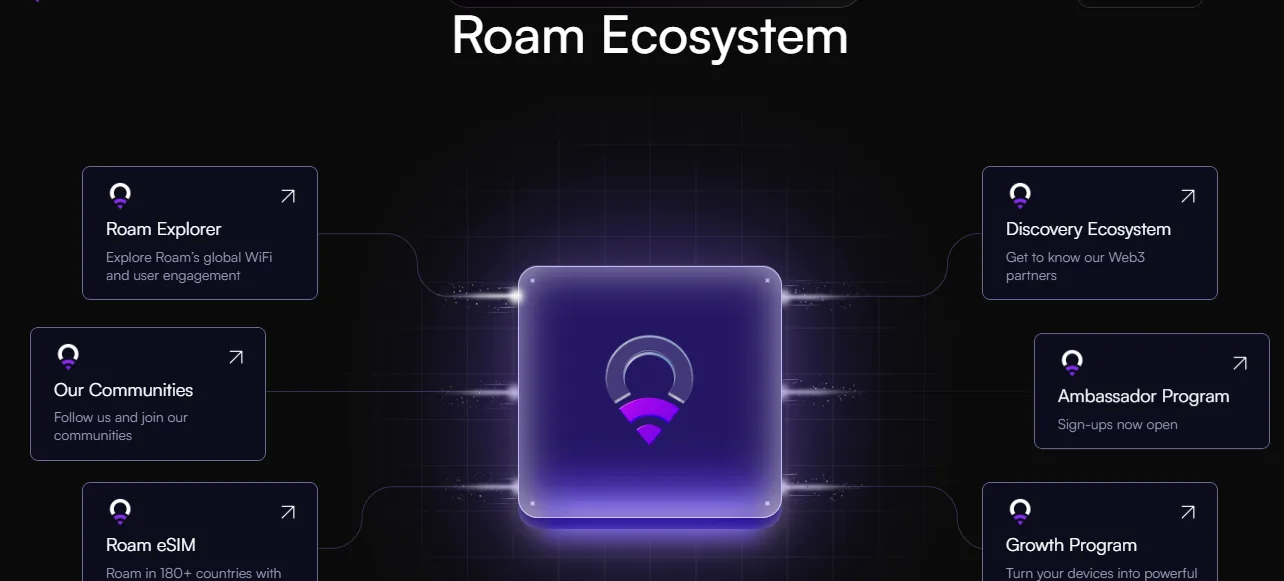
The digital age has exposed critical flaws in centralized network infrastructures: opaque operations, scalability bottlenecks, and spiraling costs. However, Roam by Metablox, a decentralized wireless network, is leveraging blockchain to redefine connectivity. By shifting from centralized to decentralized models, the Roam blockchain addresses long-standing challenges, offering a blueprint for the future of secure, scalable, and cost-efficient networks.
Centralized vs. Decentralized Networks
Centralized networks, controlled by single entities (like telecom giants), suffer from inherent vulnerabilities. Data flows through choke points, creating risks of outages, censorship, or data breaches. Users pay premium fees to sustain costly infrastructure, while limited transparency fuels distrust.
Decentralized networks, like Roam’s, distribute control across a blockchain-powered ecosystem. Nodes (users and devices) collectively manage operations, eliminating single points of failure. This peer-to-peer framework enhances resilience and democratizes access, empowering users to own and govern the networks they use.
Roam Blockchain-Driven Solutions
1. Transparency Through Immutable Records
Roam uses blockchain to create an auditable, tamper-proof ledger of network activity. Every transaction, device connection, and data exchange is recorded on-chain, visible to all participants. This transparency combats fraud (e.g., fake hotspots) and builds trust. A stark contrast to the opaque pricing and data practices of traditional providers.
2. Scalability via Distributed Infrastructure
Traditional networks require massive capital to expand. Roam’s decentralized physical infrastructure network (DePIN) model incentivizes users to deploy hotspots using blockchain-enabled rewards (like tokens). As more participants join, coverage grows organically, avoiding centralized bottlenecks. Blockchain automates node coordination, ensuring seamless scalability for IoT, smart cities, and global roaming.
3. Reduced Costs by Cutting Intermediaries
Centralized providers rely on profit-driven middlemen, inflating costs for end-users. Roam blockchain eliminates intermediaries through smart contracts—self-executing agreements that handle billing, roaming partnerships, and resource allocation. Users pay only for the bandwidth they use, while hotspot operators earn directly via tokenized incentives, slashing operational overhead.
The Future of Connectivity
Roam’s integration of blockchain doesn’t just fix existing problems—it reimagines connectivity. By decentralizing control, it democratizes access to the internet, particularly in underserved regions. Its tokenomics align stakeholder incentives, fostering a self-sustaining ecosystem where users and providers thrive together. In a world demanding faster, fairer, and more affordable networks, the Roam blockchain model stands as a transformative alternative.

Leave a Reply