
Investing in the Nigerian capital market presents a lucrative opportunity for individuals looking to grow their wealth. With a vibrant economy and a growing financial sector, Nigeria offers various investment options, including stocks, bonds, and mutual funds. However, navigating the market requires knowledge, strategy, and patience.
In this comprehensive guide, I’ll walk you through the steps to invest in the Nigerian capital market, the benefits, risks, and key tips for success.
What Is the Nigerian Capital Market
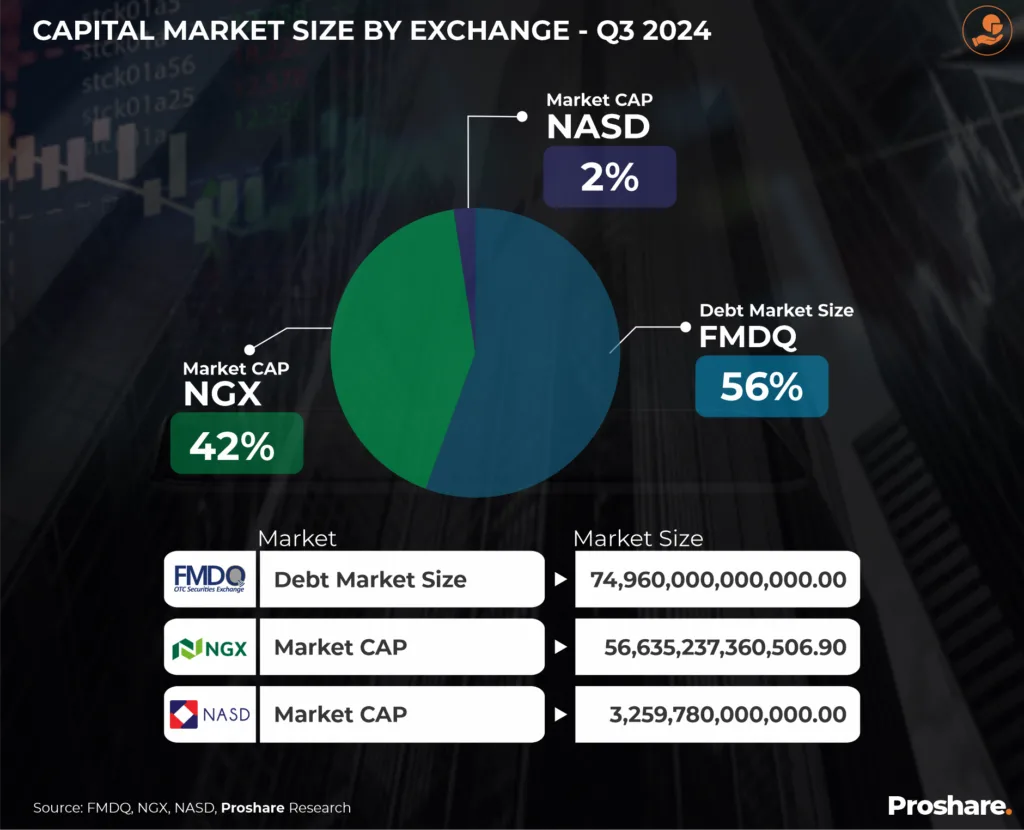
The Nigerian capital market is a segment of the financial system where long-term funds are raised and traded. It consists of the Nigerian Stock Exchange (NGX) and the FMDQ Securities Exchange, where investors buy and sell securities such as stocks, bonds, and treasury bills. The market plays a crucial role in Nigeria’s economic growth by enabling businesses to raise capital and providing investment opportunities for individuals.
Why Invest in the Nigerian Capital Market
Before diving into how to invest, let’s explore why the Nigerian capital market is an attractive option:
1. High Growth Potential: Nigeria has one of the largest economies in Africa, with sectors like banking, telecoms, and consumer goods showing strong performance.
2. Dividend Income: Many Nigerian companies pay regular dividends, providing passive income.
3. Capital Appreciation: Stock prices can increase over time, allowing investors to profit from price gains.
4. Diversification: The market offers various asset classes to spread risk.
5. Regulated Environment: The Securities and Exchange Commission (SEC) and NGX regulate the market to protect investors.
How to Invest in the Nigerian Capital Market
Step 1: Understand the Investment Options
The Nigerian Capital Market offers different investment instruments:
1. Stocks (Equities): Buying shares of publicly traded companies (e.g., Dangote Cement, MTN Nigeria).
2. Bonds: Fixed-income securities issued by the government or corporations.
3. Mutual Funds: Pooled investments managed by professionals.
4. Exchange-Traded Funds (ETFs): Funds that track market indices.
5. Treasury Bills: Short-term government securities with low risk.
Step 2: Open a Brokerage Account
To trade stocks, you need a stockbroker registered with the Nigerian Stock Exchange (NGX). Follow these steps:
1. Choose a Licensed Broker: Check the SEC or NGX website for approved brokers. Some recognized brokers include CardinalStone and Meritrade.
2. Submit Required Documents: Typically, you’ll need a valid ID, bank verification number (BVN), and proof of address.
3. Fund Your Account: Deposit money into your brokerage account to start trading.

Step 3: Conduct Market Research
Before investing, research:
- Company Fundamentals: Earnings, debt levels, and growth prospects.
- Economic Trends: Inflation, interest rates, and government policies.
- Market Sentiment: News and analyst reports on stock performance.
Step 4: Start Investing
Once your account is funded, you can:
- Buy Stocks: Place an order through your broker (either online or offline).
- Invest in Bonds: Purchase government or corporate bonds through primary or secondary markets.
- Explore Mutual Funds/ETFs: Some brokers offer these as alternative investment options.
Step 5: Monitor and Adjust Your Portfolio
Regularly review your investments to:
- Track performance.
- Rebalance if certain assets underperform.
- Take profits or cut losses when necessary.
Risks of Investing in the Nigerian Capital Market
While the Nigerian capital market offers great opportunities, it also comes with risks:
1. Market Volatility: Prices can fluctuate due to economic or political factors.
2. Liquidity Risk: Some stocks may be hard to sell quickly.
3. Regulatory Changes: New policies can impact market performance.
4. Currency Risk: Naira depreciation can affect returns for foreign investors.
To mitigate risks, diversify your portfolio and invest for the long term.
Tips for Successful Investing in the Nigerian Capital Market
1. Start Small: Begin with an amount you can afford to lose.
2. Diversify: Spread investments across different sectors.
3. Invest for the Long Term: Avoid panic selling during market downturns.
4. Stay Informed: Follow financial news and company reports.
5. Consult a Financial Advisor: Seek professional guidance if unsure.
Conclusion
Investing in the Nigerian capital market can be a rewarding way to build wealth over time. Understanding the market, choosing the right investments, and managing risks are essential to maximizing returns and achieving financial growth. Whether you’re interested in stocks, bonds, or mutual funds, the key is to start with a solid strategy and stay disciplined.
Ready to begin? Open a brokerage account today and take the first step toward financial success in Nigeria’s thriving capital market.
Leave a Reply